
By Joe Luppino-Esposito | Due Process Institute | Director, Rule of Law Initiatives
On January 11, the Due Process Institute, along with the National Association of Criminal Defense Lawyers, the Virginia Association of Criminal Defense Lawyers, Americans for Prosperity-Virginia, and the Legal Aid Justice Center, co-hosted “Pretrial Justice: Examining the Need for Pretrial & Criminal Discovery Reform in Virginia,” at Christopher Newport University in Newport News. Speakers from advocacy organizations and government officials made the case for why reform is needed and what it should look like.
The event was a great success and I wanted to take the opportunity to share some highlights.
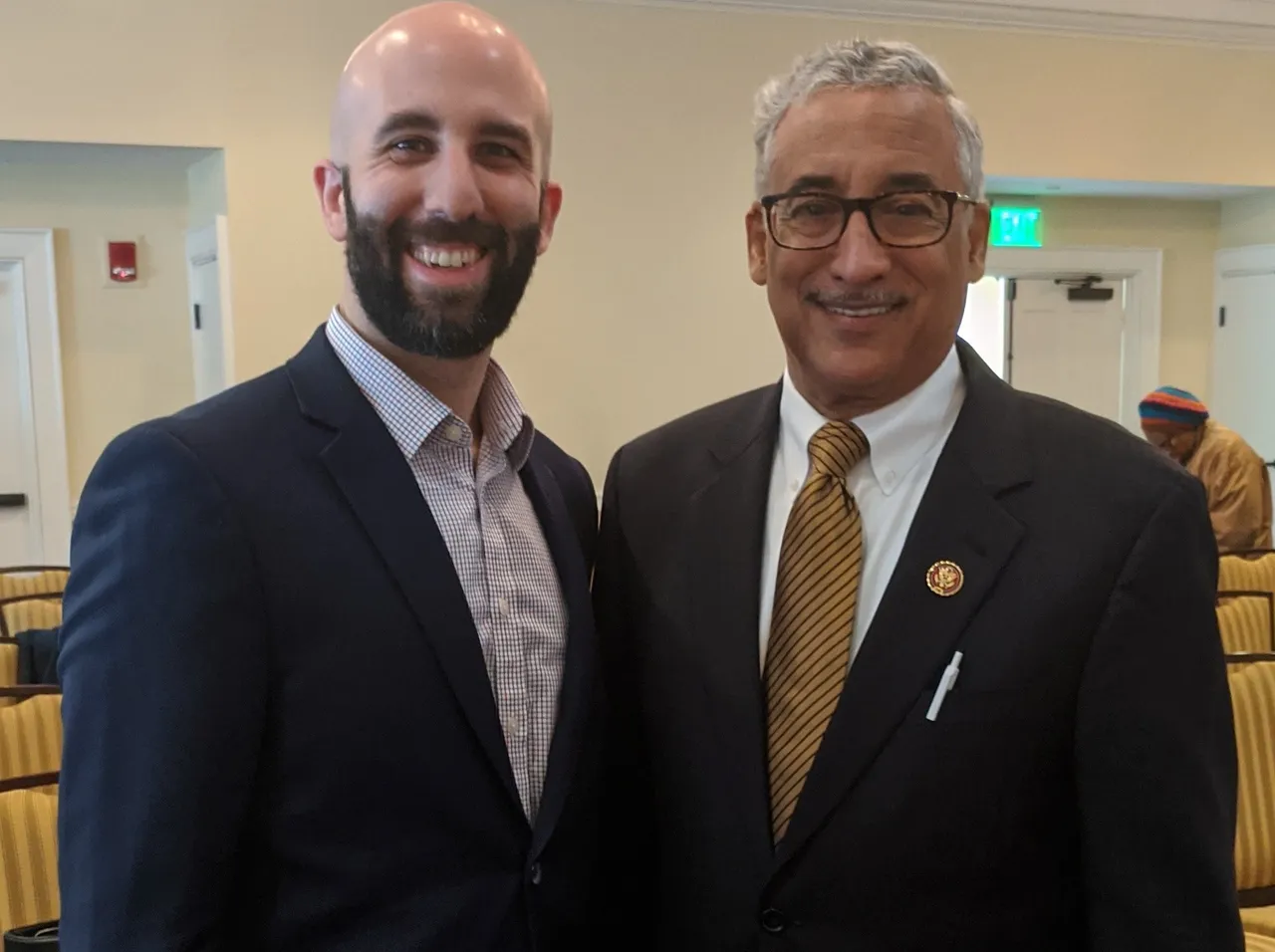
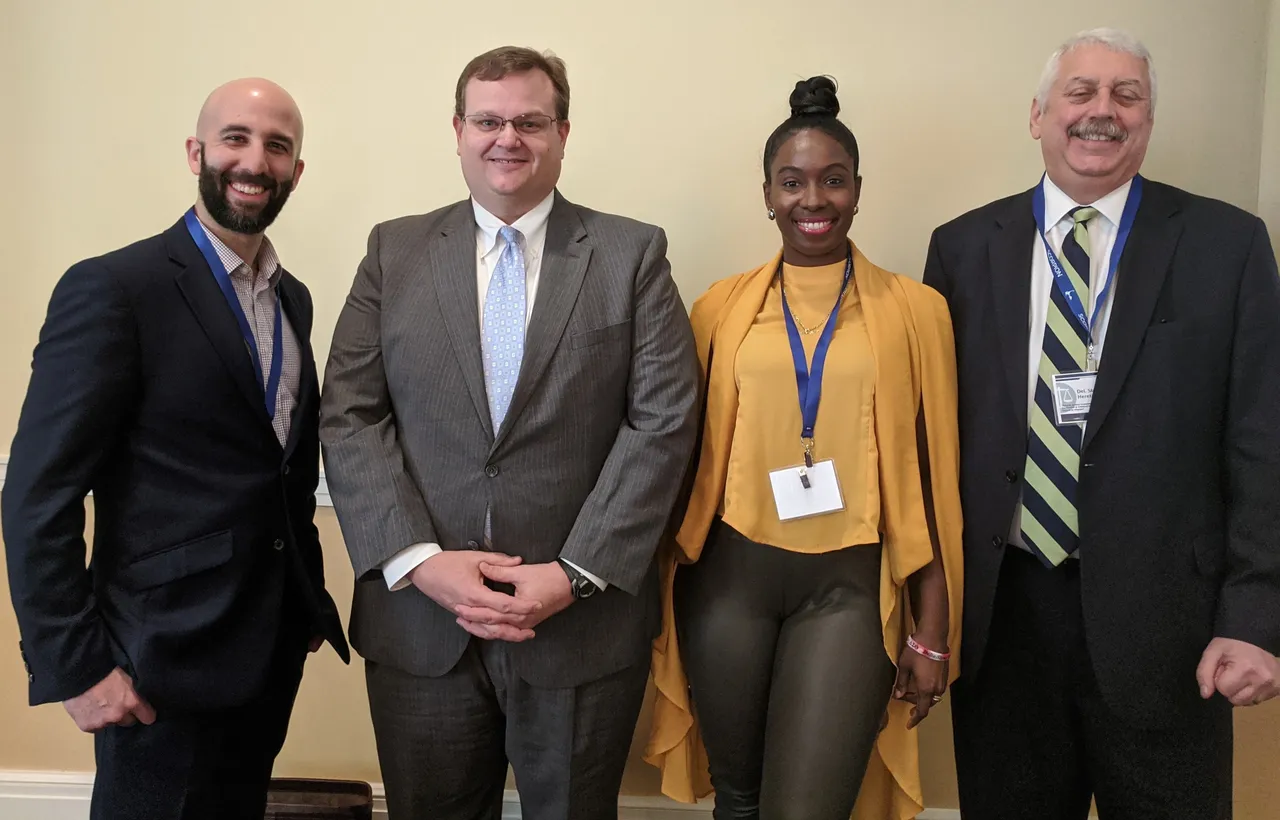
I had the pleasure of moderating two panels. The first was titled “Why Virginia Needs Discovery Reform,” and it featured Doug Ramseur, a criminal defense attorney; Stephanie Morales, the Portsmouth Commonwealth’s Attorney; and Delegate Stephen E. Heretick from the 79th District. The second panel was “Citizen Advocacy: How to Effectively Engage Your Elected Officials.” Delegate Heretick joined Rep. Bobby Scott, who represents Newport News in Congress. Although the event focused mostly on state issues, we invited Rep. Scott because he has been an advocate for federal reform for decades, leading on issues like overcriminalization well before criminal justice reform had the bipartisan support and cachet it does today.
The panel on engagement was an opportunity for elected officials to let their constituents know how to be effective advocates. Rep. Scott said that proponents of justice reform must make themselves known to their representatives. If an elected official knows a citizen advocate by name, that personal relationship works wonders for the official to understand the issue at hand and allows a citizen advocate to stand out among the many requests, phone calls, emails, and Twitter replies that an officeholder must often navigate. Delegate Heretick agreed and added that he looks for the input from his constituents who are active in the community and that he trusts. While organizations like Due Process Institute and our co-hosting organizations are very proud of our continuing work on justice issues, this panel was a reminder that a government of, by, and for the people also needs to hear from constituents who support what professional advocates fight for.
The other panel I moderated was more focused on a particular policy priority of ours: discovery reform.
Discovery is the pre-trial procedure in which the prosecution shares information in its possession with the defense. The U.S. Constitution requires that exculpatory evidence—that is, evidence that tends to demonstrate the defendant’s innocence—is shared with the defense. This mandated exculpatory evidence is sometimes known as Brady material. Beyond Brady material, current Virginia discovery requirements also mandate prosecutors share any statements made by the defendant, the defendant’s criminal record, information on expert witnesses and the results of any scientific tests performed for the case. Upon request, the Commonwealth must also disclose tangible evidence such as books and papers if they are deemed “material to the preparation of his defense and that the request is reasonable.”
Unfortunately, in practice, prosecutors don’t always turn over all the evidence they should, nor do they always do so in a timely manner. As a result, defendants and their attorneys can show up in the courtroom with little idea of what the prosecution’s case looks like. This situation is known as “trial by ambush.”
Not having enough pertinent information makes it difficult for a defense attorney to properly prepare for trial. Doug Ramseur, the defense attorney on the panel, lamented that some lawyers become accustomed to the unpreparedness the ambush status quo creates. This complacency hurts defendants because it effectively deprives them of their right to effective counsel as it is nearly impossible to mount a sufficient defense in a case in which the attorney is not privy to all the relevant facts.
This lack of disclosure is also harmful to a fair plea process. The vast majority of convictions in state and federal courts are the result of guilty pleas and plea bargaining. If the prosecutor doesn’t turn over exculpatory evidence, an innocent defendant may plead guilty because he doesn’t want to risk losing and face a harsher sentence if convicted at trial. Of course, the prosecutor likely personally believes that the defendant is guilty and views a trial as a waste of time and resources. But making pleas “easier” is not in the interest of justice. When the prosecutor holds all the relevant information pertaining to the offense and has the discretion to dramatically modify what a person is charged with (and thus the range of years a person is facing in prison), these plea bargaining situations can become unfair, even coercive.
Importantly, all the panelists agreed on the principles of establishing meaningful discovery rules. Commonwealth’s Attorney Stephanie Morales has gone beyond the minimum Virginia requirements and has adopted what is known as “open file” discovery, which provides defense counsel access to the entirely of the prosecution’s case materials. Her office in Portsmouth goes even further and gives defense attorneys permission to photocopy those materials. (In other jurisdictions, even where there is open file discovery, many prosecutors only allow defense attorneys to take notes by hand.)
Delegate Heretick brings a much-needed perspective to his position as a legislator, having previously served in the Department of Justice, and having been both a criminal and civil attorney. He echoed the call for open discovery throughout Virginia, contrasting the Commonwealth’s current criminal system with other courts that have broader discovery rules. It is invaluable to have legislators with legal experience voice their support in favor of needed structural reforms.
The panel also found agreement on a more controversial topic: prosecutor sanctions. As it stands, there are no serious repercussions for prosecutors who violate a defendant’s Constitutional rights by failing to make Brady disclosures. The State Bar is responsible for policing attorney behavior, but it rarely takes strong action. Ramseur said he is aware of at least one case in which a prosecutor was found to have violated his or her disclosure duties and received only a private reprimand.
Morales explained that some prosecutor’s offices and attorneys need a change in culture and mindset. Some prosecutors are too focused on winning rather than doing what’s right, favoring convictions over justice. A system with clear standards for sanctions would be helpful in fomenting new cultures of accountability that encourage cooperation between the prosecution and defense.
This panel is a harbinger that Virginia is moving in the right direction, and there are more opportunities for discovery reform in Virginia.
The Virginia Supreme Court accepted a task force’s recommendations in 2018 that reformed some of the Commonwealth’s discovery rule. The rule changes are basic but essential. The changes instruct the commonwealth’s attorneys to provide police reports, witness statements, a witness list, details and the expected testimony of expert witnesses, and allow the defense to review these materials. The changes state that the defense must share its witness information as well.
Though the changes were set to take effect on July 1, 2019, the Virginia Supreme Court delayed implementation, citing concerns about the cost of disclosing police body camera footage. Our panelists noted that several prosecutors lobbied state delegates and senators to that effect. The new implementation date is July 1, 2020, and we hope there are no more delays.
Discovery reform is a priority of the Due Process Institute. This great event is just one example of how we have worked and will continue to work to make exculpatory information more accessible for defendants across the country. Along with our allies, including concerned citizens and individuals who have experience with the criminal justice system, we are finding ways to talk to leaders and make our case for positive change.